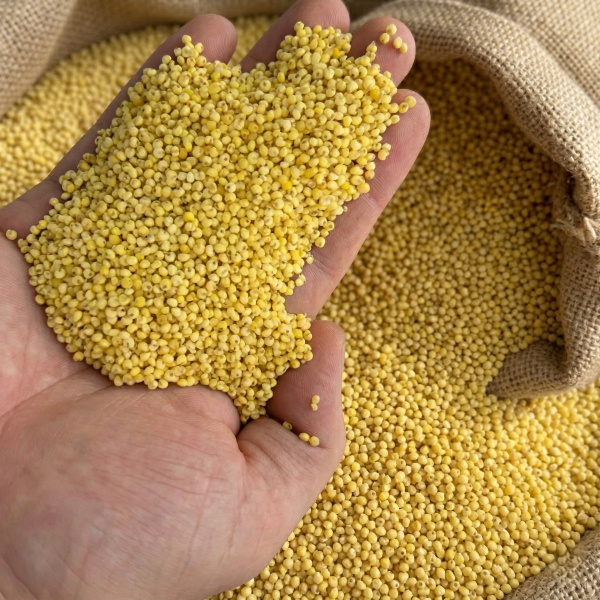
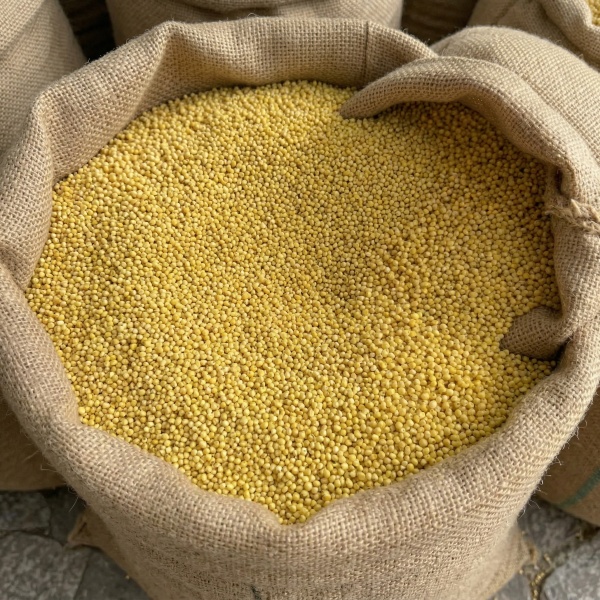
Foxtail Millet ( Sticky ) (Kangni)
Code : P14181
INR
 230 /
230 / Kg MRP : 310 26% Off Excluding Taxes & Duties
Extra Charges : Shipping | Insurance | Packaging
Net Weight : 1 Kg
Description :
The Golden Grain of Resilience: Sticky Foxtail Millet – A Mineral-Rich, Low-GI Ancient Staple for Enhanced Digestion and Sustainable, Climate-Smart Living.
Overview and Origins
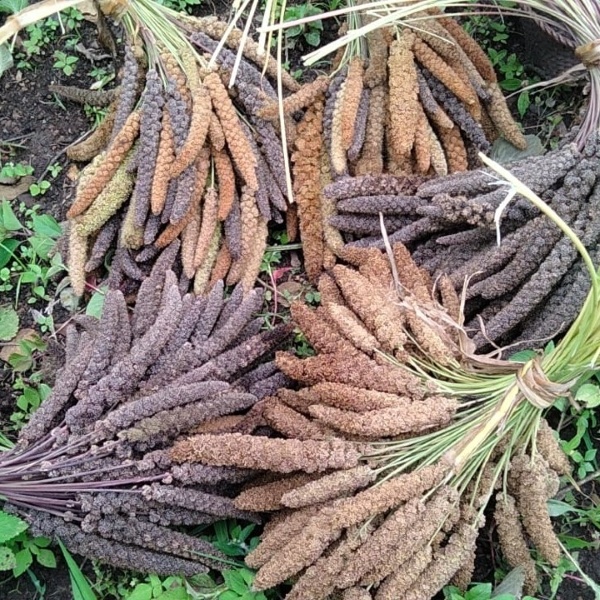
Foxtail millet, scientifically known as Setaria italica, stands as one of the world’s oldest cultivated cereals, with archaeological evidence tracing its roots back to Northern China over 8,000 years ago. Historically, it served as a primary staple across East Asia and India long before the widespread adoption of rice and wheat. The "sticky" or glutinous variety is a specialized cultivar prized for its high amylopectin starch content, which gives the grain a cohesive, chewy texture when steamed or boiled. This ancient grain is remarkably hardy, possessing a natural ability to thrive in semi-arid conditions and poor soils where other crops would fail, cementing its legacy as a resilient pillar of global food history.
Nutritional Value and Health Benefits
From a nutritional standpoint, sticky foxtail millet is a dense powerhouse that offers a superior profile compared to many modern refined grains. It is naturally gluten-free and possesses a low Glycaemic Index, which ensures a slow, steady release of glucose into the bloodstream, making it a critical dietary tool for managing blood sugar levels and preventing diabetes. The grain is exceptionally rich in dietary fibre, which aids in digestive health and long-term weight management by promoting a feeling of fullness. Furthermore, it is packed with essential minerals like iron to combat anaemia, magnesium for heart health, and phosphorus for bone strength, alongside a significant concentration of antioxidants that help reduce oxidative stress in the body.
Culinary Preparation and Versatility
The culinary appeal of sticky foxtail millet lies in its unique mouthfeel and adaptability to both savoury and sweet applications. To achieve the best results, the grain should be soaked for several hours to break down phytates and enhance nutrient bioavailability. Once prepared, the sticky variety acts as an excellent substitute for glutinous rice, making it perfect for traditional dishes like rice cakes, porridges, and fermented batters. In Asian cuisine, it is often used to create dense puddings or "mochi-style" desserts, while in savoury contexts, it can be moulded into shapes or used to thicken soups and stews. Its subtle, nutty flavour profile allows it to absorb the aromas of spices and broths effectively, making it a favourite for creative chefs exploring ancient grains.
Sustainability and Empowering Local Farmers
Choosing foxtail millet is a direct investment in environmental sustainability and the livelihoods of small-scale agricultural communities. Often referred to as a "climate-smart" crop, foxtail millet requires significantly less water than rice and has a remarkably short growing cycle, often reaching maturity in as little as sixty to ninety days. This allows farmers in drought-prone regions to secure a harvest even in unpredictable weather conditions. By fostering a market for this underutilized grain, consumers help empower local farmers—particularly in arid regions of India and Africa—allowing them to maintain biodiversity and move away from water-intensive monocultures that deplete the soil.
Why Choose Foxtail Millet?
Opting for sticky foxtail millet is a conscious decision to prioritize personal wellness and ecological health simultaneously. It offers a rare combination of culinary satisfaction and functional medicine, providing the body with high-quality protein and essential B-vitamins without the inflammatory effects of gluten or refined sugars. Unlike the environmental strain caused by industrial wheat and rice production, millet cultivation protects the earth’s precious water resources and promotes soil health. For the modern consumer, it represents a bridge between ancient wisdom and future-proof nutrition, offering a delicious, versatile, and ethical alternative to the standard modern diet.
Savour the unique, heart-healthy texture of an ancient glutinous treasure that stabilizes your energy and nourishes the soul—every golden, sticky grain serves as a testament to low-glycaemic wellness, drought-resilient sustainability, and the revitalization of local farming legacies committed to a balanced and thriving ecosystem. Location : Nagaland, India
Specification :
| Nutritional Profile |
: |
High Protein Content: Contains approximately 12.3g of protein, which is significantly higher than rice. It is a vital source of plant-based amino acids for muscle repair.
Complex Carbohydrates: Provides about 60g to 65g of low-glycaemic carbohydrates, ensuring a slow release of energy and preventing blood sugar spikes.
Dietary Fibre: Rich in both soluble and insoluble fibre (approx. 8g). This promotes gut health, aids digestion, and helps in maintaining a feeling of fullness.
Mineral Powerhouse:
Iron: Crucial for haemoglobin formation and preventing anaemia.
Magnesium: Supports over 300 enzymatic reactions in the body, including heart rhythm and nerve function.
Calcium: Essential for bone density and skeletal strength.
Vitamin B-Complex: Particularly high in Thiamine (B1) and Niacin (B3), which are necessary for energy metabolism and a healthy nervous system.
Low Fat Profile: Contains roughly 4g of healthy fats, mostly consisting of unsaturated fatty acids which are heart-friendly.
Antioxidants: Loaded with polyphenols and carotenoids that help neutralize free radicals and reduce oxidative stress in the body.
Gluten-Free: Naturally devoid of gluten proteins, making it a safe and nutritious staple for those with Celiac disease or gluten sensitivity. | | Benefits |
: |
Lowers blood sugar levels, aids in weight loss, improves immunity, and supports heart health by reducing "bad" cholesterol. | | Cultivation Period |
: |
Generally a short-duration crop, maturing in 70 to 100 days, typically sown between April and May in the Kharif season or occasionally sown in October in the Rabi season. | | Dietary Status |
: |
Naturally Gluten-free, Vegan-friendly, and Low Glycemic Index (GI), making it ideal for diabetics. | | Ethically Sourced |
: |
Procured directly from small-holder farmers under Fair Trade practices to ensure equitable pay and community growth. | | Farming Method |
: |
Primarily Rain-fed agriculture. It requires minimal water compared to rice or wheat, making it a climate-resilient crop. | | Harvesting Period |
: |
Typically harvested between September and October (Kharif season) or March and April (Rabi season). | | Key Health Benefits |
: |
Blood Sugar Management: Its low Glycaemic Index (GI) and high fibre content slow down the release of glucose into the bloodstream, making it an ideal staple for managing Diabetes.
Heart Health: Helps lower "bad" cholesterol (LDL) and triglycerides. It is also rich in Magnesium, which helps regulate blood pressure and maintains a steady heart rhythm.
Enhanced Digestion: The high insoluble fibre acts as a prebiotic, promoting the growth of good gut bacteria and preventing common digestive issues like constipation and bloating.
Nervous System Support: High levels of Vitamin B1 (Thiamine) support the development of the myelin sheath (the protective coating of nerves) and improve overall cognitive function.
Stronger Bones: With a significant amount of Calcium and Phosphorus, it helps in maintaining bone density and reduces the risk of osteoporosis in later life.
Weight Management: The combination of high protein and fibre keeps you satiated for longer periods, reducing cravings and helping with healthy weight loss.
Detoxification: Contains antioxidants like polyphenols that help flush out toxins from the body and protect cells from oxidative damage.
Anaemia Prevention: Being a natural source of Iron, regular consumption helps increase haemoglobin levels and fights fatigue associated with iron deficiency. | | Method Of Cooking |
: |
Requires soaking for 4–6 hours. Can be pressure cooked (1:2 ratio of millet to water) or steamed. The sticky variety is often used for porridges or rice cakes. | | Moisture Content |
: |
Maintained at less than 10% to 12% to ensure stability and prevent fungal growth. | | Non-gmo |
: |
100% Non-GMO. These are heirloom seeds preserved through traditional farming generations. | | Origin |
: |
Sustainably grown in the high-altitude, chemical-free hill tracts of Nagaland, Northeast India. | | Pesticide-free |
: |
Grown using Natural Farming or Organic techniques; no synthetic chemical pesticides or fertilizers are used. | | Processing |
: |
Minimally processed using traditional stone-grinding or cold-milling techniques to remove the outer husk while keeping the nutrient-dense bran and germ layers fully intact.
| | Purity Level |
: |
99% Purity; naturally cleaned and sorted to remove stones, husks, and foreign matter. | | Shelf Life |
: |
6 to 12 months when stored in optimal conditions. | | Specialty |
: |
The "Sticky" variety has a higher amylopectin content, giving it a unique chewy, cohesive texture compared to the "fluffy" standard foxtail millet. | | Storage |
: |
Store in a cool, dry, and dark place. Use airtight containers to protect from moisture and pests. | | Taste |
: |
Mild, nutty, and slightly sweet. It easily absorbs the flavors of accompanying spices or broths. | | Texture |
: |
Soft and glutinous (sticky) when cooked, providing a satisfying "bite" similar to sticky rice. | | Uses |
: |
Rice Substitute: A nutritious, low-GI alternative to white rice, pairing perfectly with traditional Naga dal, smoked meats, or vegetable stews.
Traditional Porridges: Its sticky texture makes it ideal for thick, comforting breakfast porridges (Jolpan) or savoury congees when slow-cooked with water or milk.
Naga Ethnic Delicacies: Used in the preparation of indigenous Naga dishes, such as fermented millet cakes or traditional snacks served during community festivals.
Salads & Grain Bowls: Once cooked and cooled, it adds a chewy, nutty element to fresh salads, Mediterranean bowls, or sprout-based snacks.
Healthy Desserts: Excellent for making creamy puddings (Kheer) or sweetened millet cakes, as its natural stickiness binds the ingredients without needing excess starch.
Soup Thickener: Added to soups and broths to provide body and texture while boosting the overall mineral and fibre content of the meal.
Baking & Flour: Can be ground into a fine flour to make gluten-free flatbreads (Rotis), pancakes, or incorporated into healthy cookie recipes. | | Sustainable & Eco-friendly |
: |
Highly sustainable; it has a low carbon and water footprint and naturally enriches the soil during growth. |
About Seller :
The Seller is located from "Nagaland, INDIA " and specialized in Agricultural Products.
|


 (1).jpg)

.jpg)
.jpg)
.jpg)
.jpg)


.jpg)

.jpg)

.jpg)

.jpg)